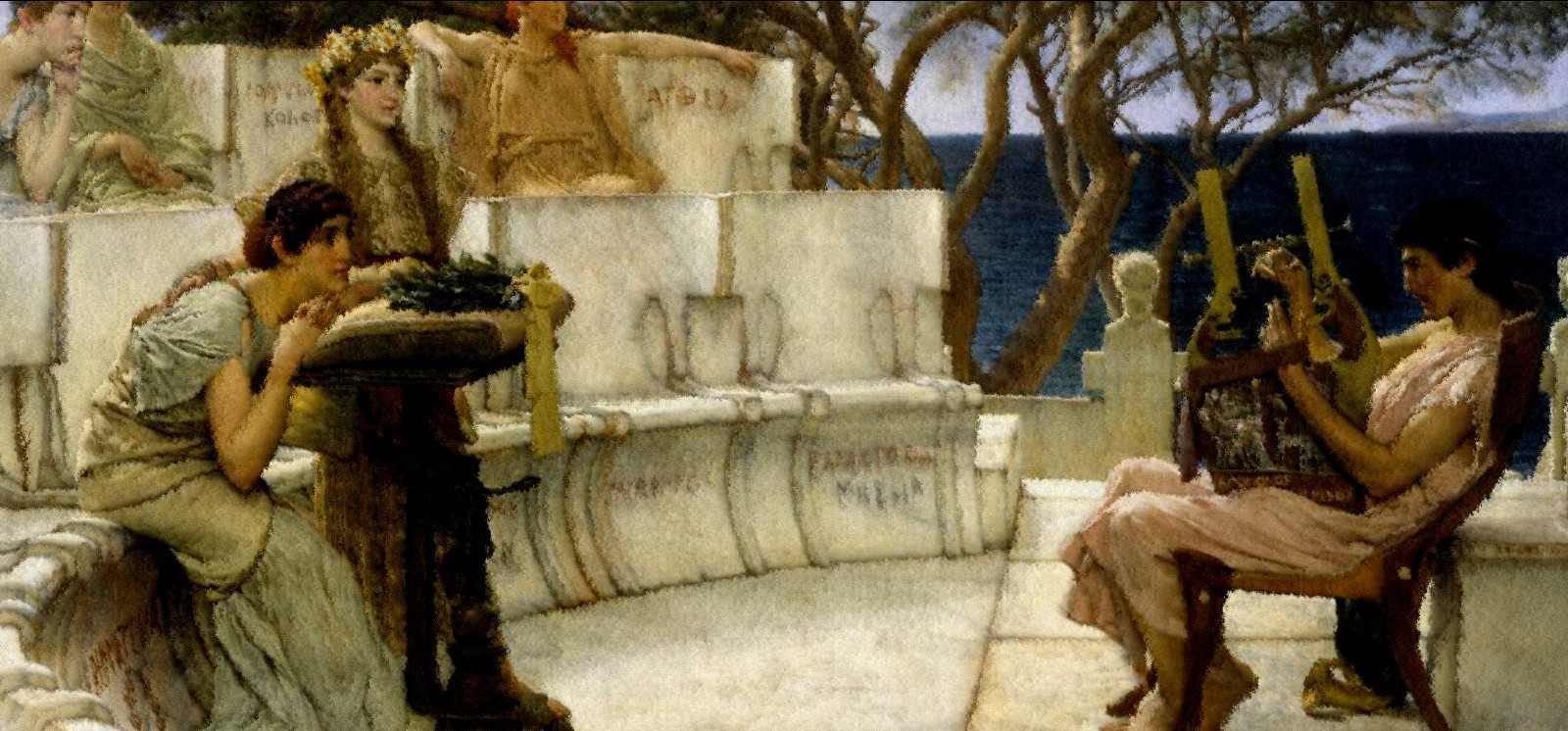
The Greek word eros denotes want, lack, a desire for what is missing. In Eros the Bittersweet, Anne Carson opens with a fragment from Sappho: a lover sees the beloved across a room and, in the seeing, falls apart. The breath gone. The tongue broken. The skin on fire. Carson’s argument is not that this is a description of love. It is a description of "longing." She insists on the difference.
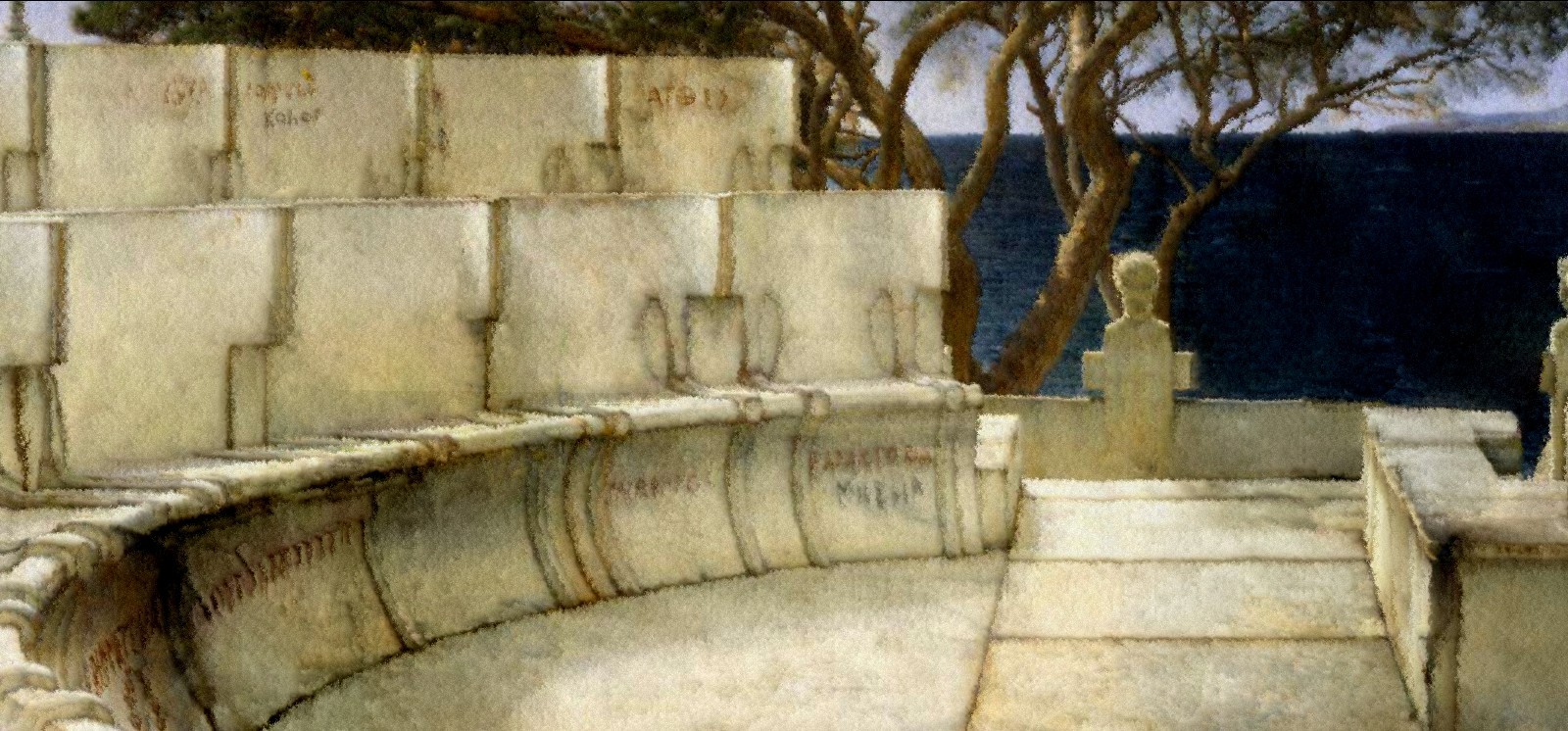
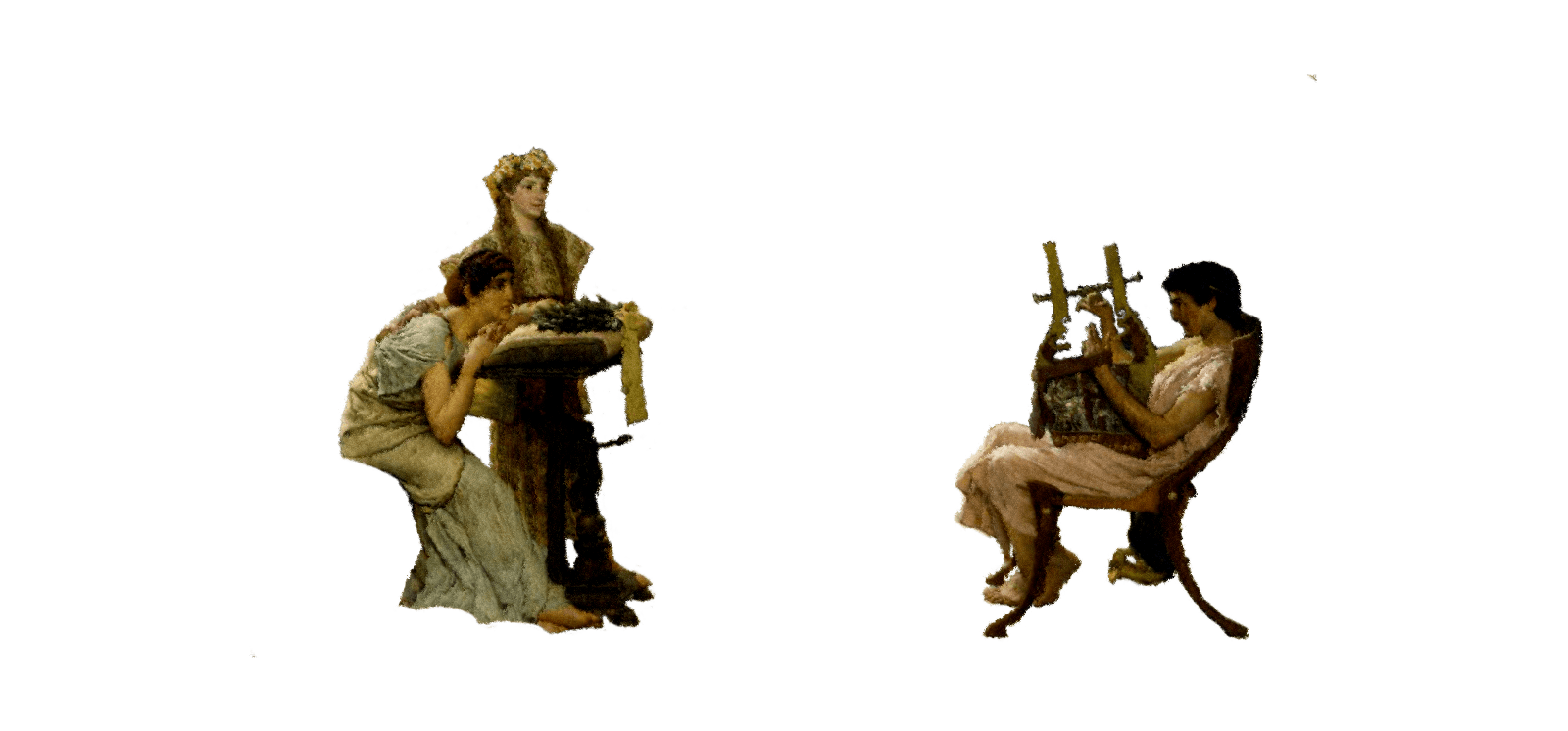
Desire, she writes, requires three points: the lover, the beloved, and the space between them. Remove the space and you don’t intensify desire; you extinguish it. “As long as [the lover] needs, he is alive." The moment of possession is also the moment desire dies.
This is an economic observation, not a romantic one.
I have been thinking about this lately in relation to things that are not love at all or are not only love, but about the people who have made entire careers out of manufacturing precisely the conditions Carson describes. The glass between you and the world inside the window. The restaurant that closes the year its mythology fully matures. The architect whose buildings you can commission but whose story you can only approach from the outside, but never quite own. They understand what Sappho intuited about the structure of longing and built industries on it.
Desire, she writes, requires three points: the lover, the beloved, and the space between them. Remove the space and you don’t intensify desire; you extinguish it. “As long as [the lover] needs, he is alive." The moment of possession is also the moment desire dies.
This is an economic observation, not a romantic one.
I have been thinking about this lately in relation to things that are not love at all or are not only love, but about the people who have made entire careers out of manufacturing precisely the conditions Carson describes. The glass between you and the world inside the window. The restaurant that closes the year its mythology fully matures. The architect whose buildings you can commission but whose story you can only approach from the outside, but never quite own. They understand what Sappho intuited about the structure of longing and built industries on it.
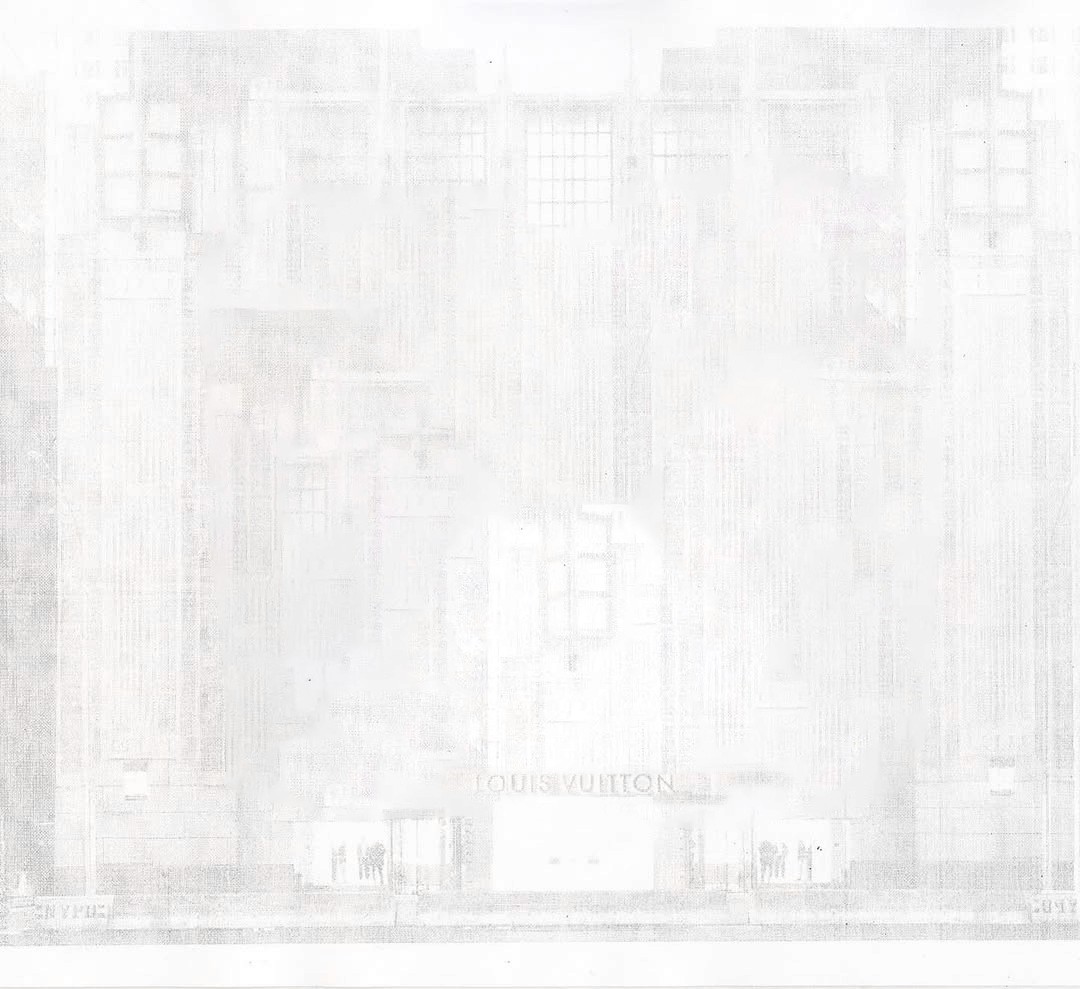
Stand on the corner of Rue du Faubourg Saint-Honoré in Paris, or on Fifth Avenue in New York, or in a dozen other cities where Louis Vuitton occupies a flagship, and you will encounter a particular kind of theater. The window is lit from within like a lantern. The glass is thick. The objects inside are not displayed so much as staged – arranged in impossible, dream-logic configurations that no shop floor or catalog could replicate. In one iteration, monogrammed trunks cascade through space as if gravity is optional. In another, the entire facade has been wrapped in polka dots as part of the Yayoi Kusama collaboration, the building itself transformed into a hallucination that stopped traffic on multiple continents.
The person responsible for this, for sixteen years, was Faye McLeod, a Scottish designer who calls herself “Faye Dreams A Lot” on Instagram, which is either an admission of temperament or a job description. She discovered her talent dressing windows at a Glasgow high-street store and ended up as Louis Vuitton’s Visual Image Director, overseeing window concepts for every flagship on earth. She has been called the Willy Wonka of set design, a designation that gets at something essential: her windows are not advertisements. They are invitations to a world you cannot quite enter.
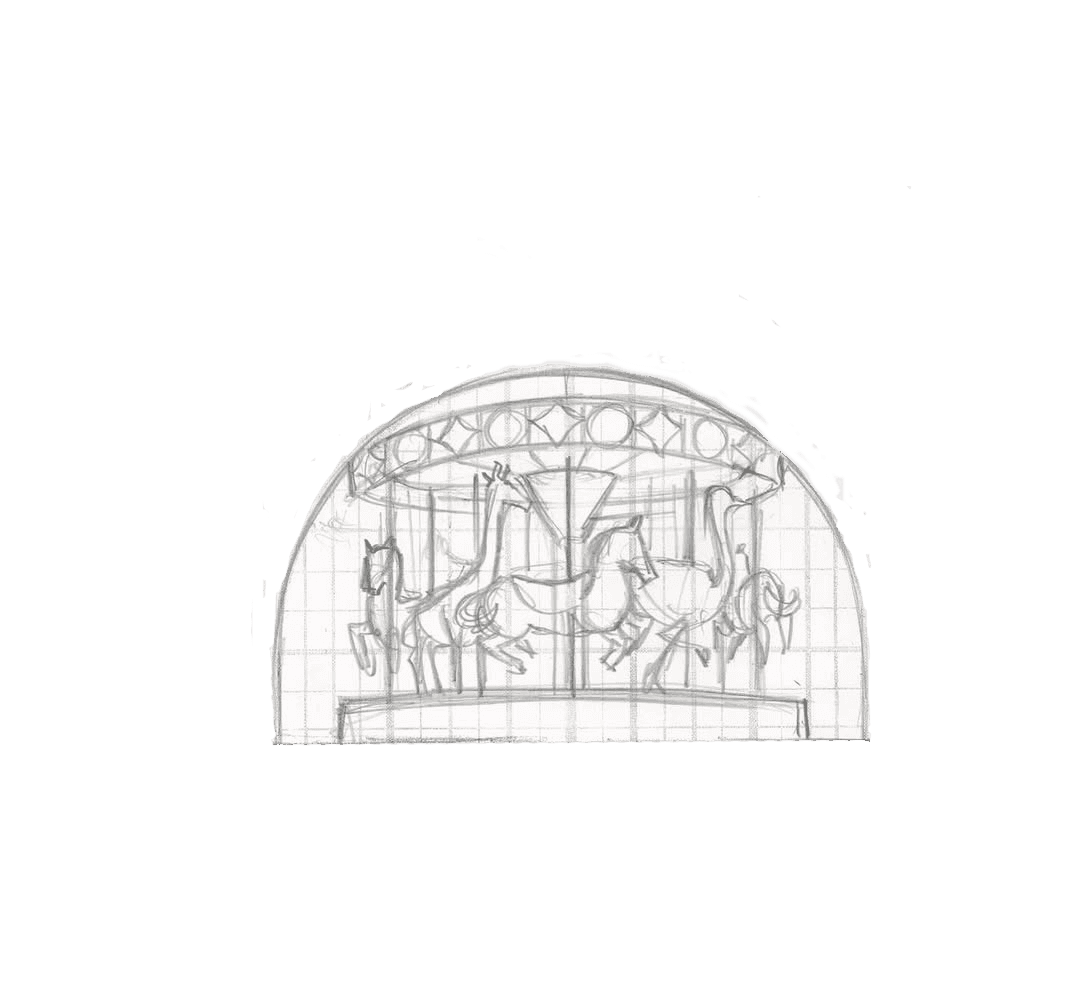
The mechanism she was executing predates the flagship by more than a century. In 1900, at the Exposition Universelle that gave Paris six months to demonstrate what civilization could produce, Louis Vuitton arranged the Maison's trunks beneath a carousel draped in velvet. Fifty million people passed through the fairgrounds that year – the largest organized assembly of looking the world had yet managed – and most of them had no intention of acquiring what they saw. The whole structure of the fair ran on that principle: come and see what exists; go home without it. A Vuitton trunk at the apex of Belle Époque ambition promised journeys the viewer was not yet equipped to take. The carousel turned; the trunks sat still. Movement and stasis in the same frame. More than a century later, Louis Vuitton revived the image at Place Vendôme for the 2024 holidays: newly designed animals circling beneath monogram shooting stars, described in press materials as an invitation to "a magical ride into the festive season." The window actually offers the sight of a ride, not a ride itself. A carousel you watch but do not board.
The goal of a good window is not to display merchandise. It is to create a frame for longing. The glass separates the viewer from the object with the most precise possible barrier: thin enough to allow full visual access, thick enough to deny touch. McLeod’s installations thicken that barrier conceptually. They do not show a bag on a shelf; they construct a world in which the bag exists, one the viewer is explicitly excluded from. “Windows may be the gateway to the heart,” she said in 2016. The word is precise. A gateway implies passage not yet granted.
This is the mechanism luxury retail has always understood and rarely said plainly: desire is more useful than satisfaction. The window is not a delivery vehicle for the product. It is a frame for the gap between the viewer and the object, maintained with precision.
McLeod calls this "freeze frame theatre." Theatre implies an audience; freeze frame implies you arrived in the middle of something that was happening, and will leave before it resolves. She measures success by the smudge test: nose and hand prints on the glass, the involuntary press of a body against a surface it cannot cross. A well-designed window makes people forget, briefly, that glass is a limit. What it records, in condensation and grease, is the exact shape of wanting.
Possession, when it comes, carries within it the memory of wanting. The desire does not end at purchase; it converts into a story the owner tells. But the story begins at the glass.
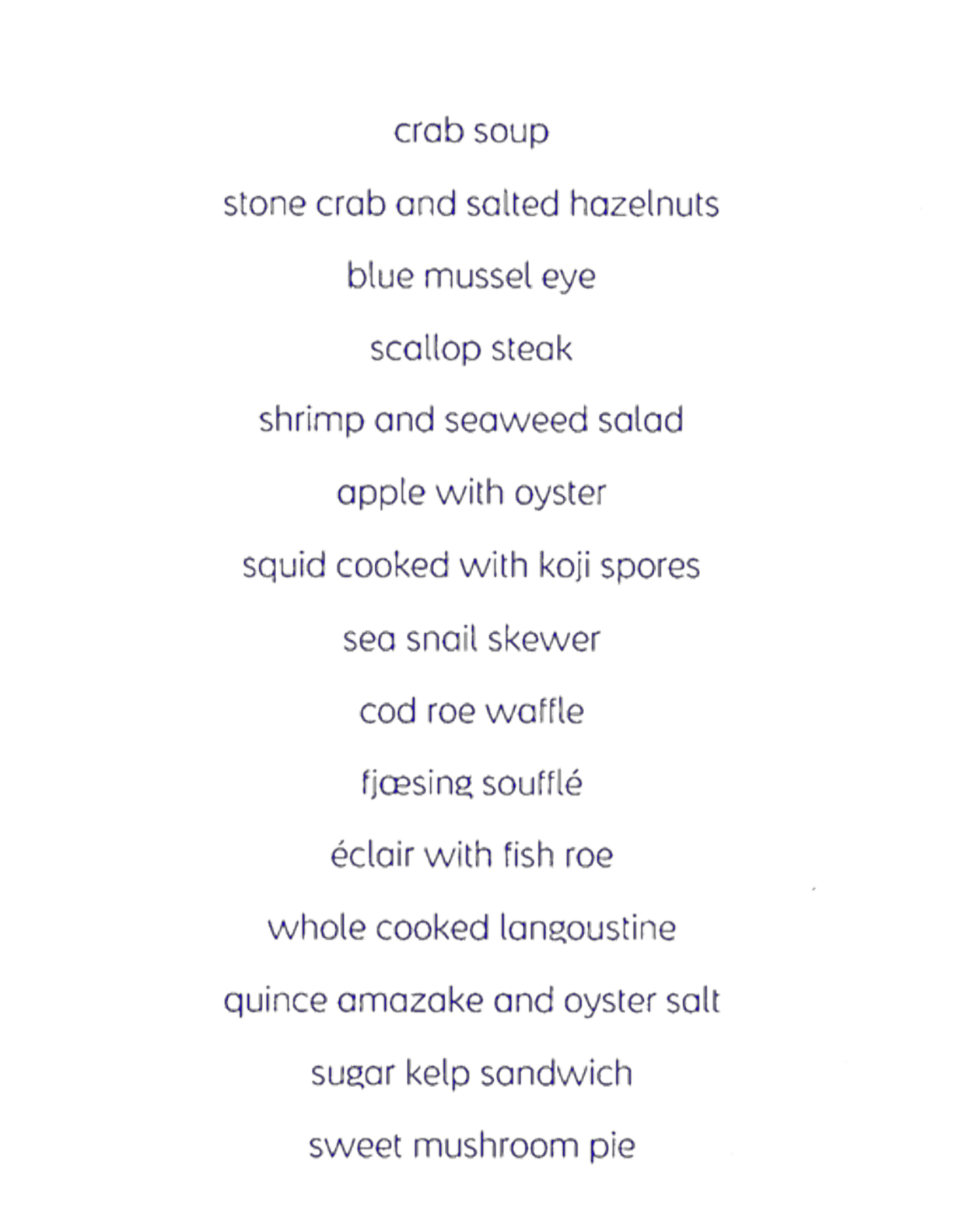

René Redzepi opened Noma in Copenhagen in 2003. By 2010 it had been named the world's best restaurant; by 2014, three times. The accolades compounded in the way accolades do, until a reservation at Noma was less a dinner than a pilgrimage, and the pilgrimage was more the point than the meal. You did not go to Noma because you were hungry. You went because you had waited months for the privilege, because the seats – prepaid, per-person, at roughly 4,400 Danish kroner before wine – were structurally unavailable to most people who wanted them, and because the act of having gone would become part of your identity in a way that no merely good restaurant could manage.
Noma's genius was not primarily culinary, though the cooking was genuinely original: the fermentation lab, the foraging sourced from Nordic coastlines and forests, the precise, severe plating that turned a pine cone or a dried scallop into a kind of argument about what food could mean.
The genius was scarcity architecture. Redzepi understood, perhaps intuitively, that desire flourishes under the conditions Carson describes – that the restaurant had to remain, in some structural sense, out of reach even for those who had booked it. This is why the reservations opened on unpredictable schedules. This is why the concept shifted between seasons – Ocean, Vegetable, Game and Forest – so that what you had experienced was always a version of Noma that no longer existed, turning every past diner into someone who possessed something that could not be obtained again, and every future diner into someone pursuing a moving target.
Helen Rosner, writing in The New Yorker in early 2026, examined the real cost of a meal at Noma – the financial and ethical arithmetic beneath the myth. The piece emerged partly in the context of Noma's reckoning with its own labor practices and the broader conversation about what elite dining culture asks of the people who produce it. But its deeper subject was the gap between the desire the restaurant manufactures and the reality it contains. The desire survives the reckoning. Noma has since reconstituted itself as a traveling seasonal concept, with a Los Angeles residency in 2026 that sold out before most people could locate the booking link. The mechanism of scarcity had been reimposed; the ache was operational again.
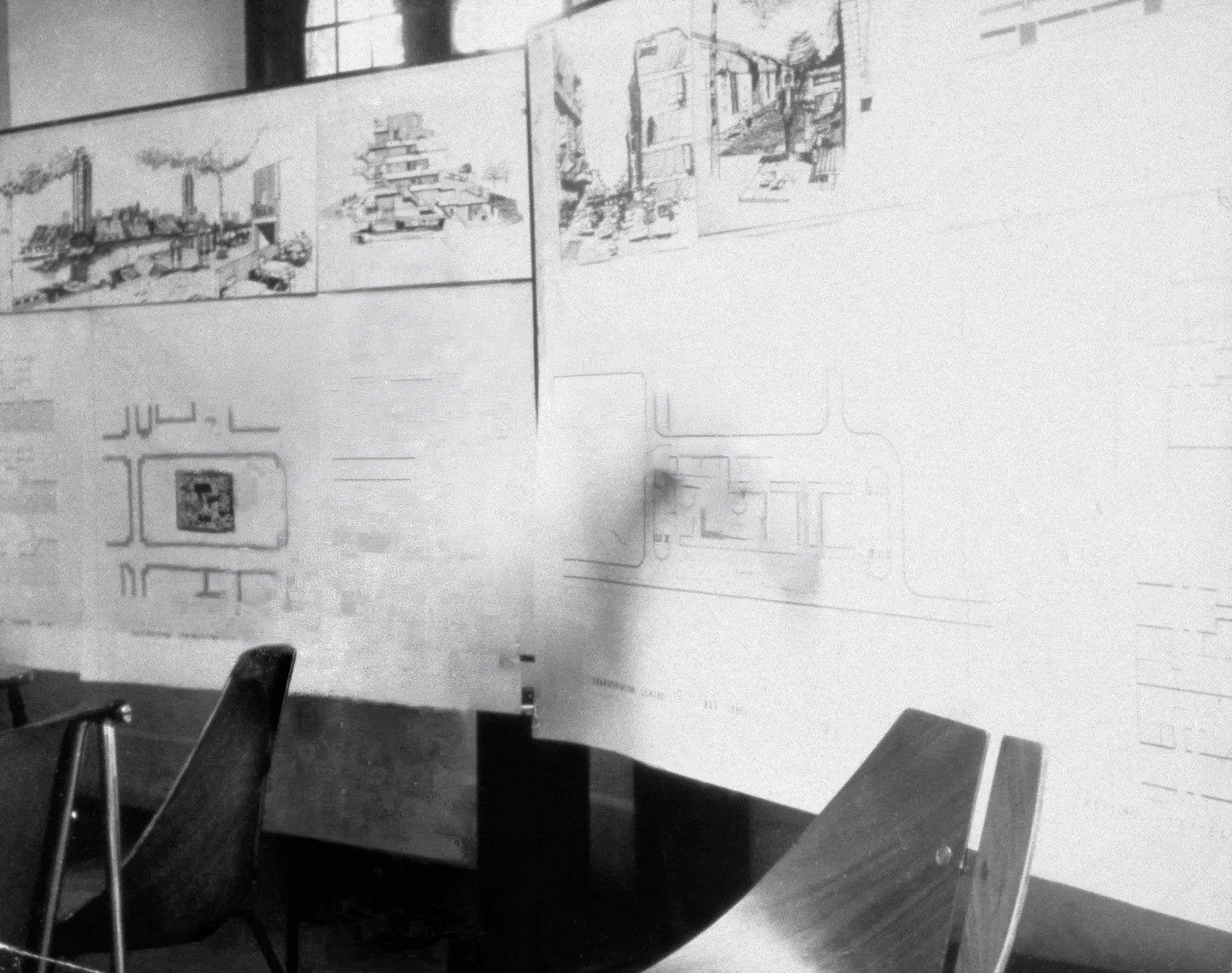
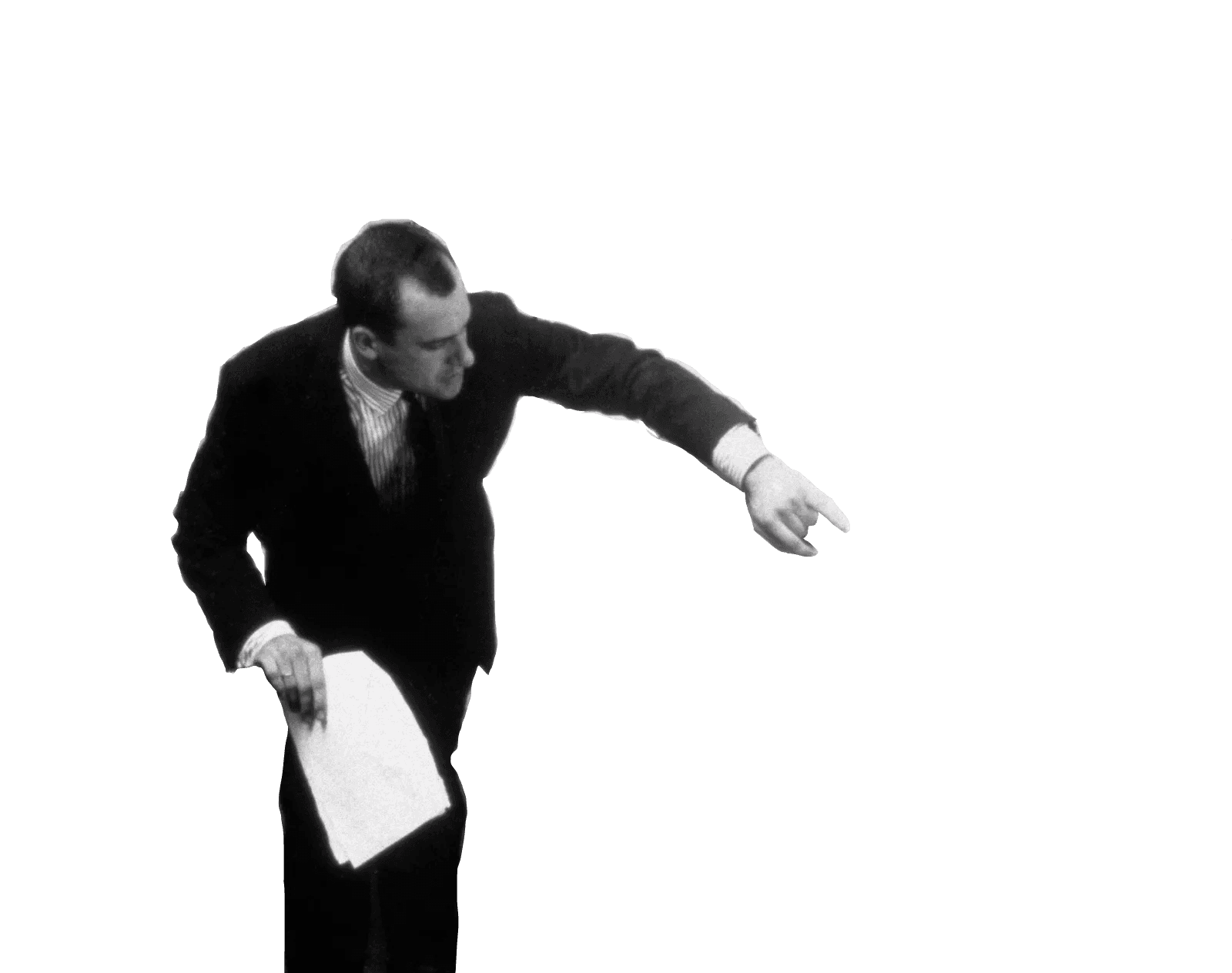
Norman Foster is ninety years old and, by most accounts, has not stopped working. His office, Foster + Partners, has designed the Gherkin in London, the Great Court canopy at the British Museum, the Reichstag dome, Apple Park, the new JPMorgan Chase headquarters on Park Avenue, which described as "muscular," a building that performs power rather than merely housing it. The buildings are different in program and city and client, but they share a quality that is easy to misidentify as formal ambition. What they actually share is legibility as objects of longing: each one is a building that people want to have, want to be inside, want to be associated with, often years before ground is broken.
The architects who became icons of the twentieth century understood something beyond proportion and material: they understood that a building is a desire object, and that desire requires a story. Foster's story is among the most deliberately cultivated in the field. He was born in Reddish, Stockport, in 1935, the son of working-class parents. He worked as a baker, an ice cream vendor, an office boy in Manchester Town Hall to fund his education at the University of Manchester and, later, Yale. This is not incidental biographical detail in the telling of Foster's career. It is the load-bearing myth. The working-class boy who worked his way to the Pritzker Prize, to a peerage, to buildings that reshape skylines – this is the story that makes the work available as aspiration.
When you hire Foster + Partners, you are not only buying a building. You are buying into a narrative about what buildings can mean, what ambition looks like when it has been refined over six decades, what it feels like to associate your institution with that much intention. The New Yorker's Ian Parker, profiling Foster in 2025, subtitled the piece around empire and image control. Both of those words are telling. Empire is what desire, successfully manufactured and sustained, accumulates into. Image control is how you maintain the gap – the careful calibration of what the public sees and what it doesn't, the management of distance between the myth and the man.
Foster's architecture is, in many cases, genuinely extraordinary. The steel-and-glass canopy of the Great Court at the British Museum. The dome of the Reichstag, restored and opened to the public as a symbol of democratic transparency. The Gherkin, which changed how Londoners thought about what a building in their city could look like. These are real achievements, not manufactured ones. But the desire they generate in clients – the rush to commission, the premium placed on the association – is partly a function of craft and partly a function of the myth that surrounds the craft. The two are inseparable because they were designed to be.
Architecture is hospitality at scale. A building hosts – hosts bodies, hosts functions, hosts the self-image of the institution that commissioned it. And the desire for a certain kind of building, like the desire for a certain kind of meal or a certain kind of object, is desire for what that building says about you as much as for what it does. Foster has spent six decades building the story that makes his buildings available as desire objects for corporations that want to feel, and have others feel, that they are serious.
Foster himself has become inseparable from the desire his buildings generate. He is the signature on the object; his continued presence at the firm, at eighty, is part of what the client is purchasing. This dynamic is common enough in the luxury sector (the designer as guarantor, the name as the product) but in architecture it operates over a longer timeline and at a larger scale. You are not buying a bag you will carry until it wears out; you are commissioning a building that will outlast you and bear the name of a man who advised at least one disappointing young architect to become a potato farme
This is an economic observation, not a romantic one.
I have been thinking about this lately in relation to things that are not love at all or are not only love, but about the people who have made entire careers out of manufacturing precisely the conditions Carson describes. The glass between you and the world inside the window. The restaurant that closes the year its mythology fully matures. The architect whose buildings you can commission but whose story you can only approach from the outside, but never quite own. They understand what Sappho intuited about the structure of longing and built industries on it.
Norman Foster is ninety years old and, by most accounts, has not stopped working. His office, Foster + Partners, has designed the Gherkin in London, the Great Court canopy at the British Museum, the Reichstag dome, Apple Park, the new JPMorgan Chase headquarters on Park Avenue, which described as "muscular," a building that performs power rather than merely housing it. The buildings are different in program and city and client, but they share a quality that is easy to misidentify as formal ambition. What they actually share is legibility as objects of longing: each one is a building that people want to have, want to be inside, want to be associated with, often years before ground is broken.
Noma's genius was not primarily culinary, though the cooking was genuinely original: the fermentation lab, the foraging sourced from Nordic coastlines and forests, the precise, severe plating that turned a pine cone or a dried scallop into a kind of argument about what food could mean.
The genius was scarcity architecture. Redzepi understood, perhaps intuitively, that desire flourishes under the conditions Carson describes – that the restaurant had to remain, in some structural sense, out of reach even for those who had booked it. This is why the reservations opened on unpredictable schedules. This is why the concept shifted between seasons – Ocean, Vegetable, Game and Forest – so that what you had experienced was always a version of Noma that no longer existed, turning every past diner into someone who possessed something that could not be obtained again, and every future diner into someone pursuing a moving target.
Helen Rosner, writing in The New Yorker in early 2026, examined the real cost of a meal at Noma – the financial and ethical arithmetic beneath the myth. The piece emerged partly in the context of Noma's reckoning with its own labor practices and the broader conversation about what elite dining culture asks of the people who produce it. But its deeper subject was the gap between the desire the restaurant manufactures and the reality it contains. The desire survives the reckoning. Noma has since reconstituted itself as a traveling seasonal concept, with a Los Angeles residency in 2026 that sold out before most people could locate the booking link. The mechanism of scarcity had been reimposed; the ache was operational again.
René Redzepi opened Noma in Copenhagen in 2003. By 2010 it had been named the world's best restaurant; by 2014, three times. The accolades compounded in the way accolades do, until a reservation at Noma was less a dinner than a pilgrimage, and the pilgrimage was more the point than the meal. You did not go to Noma because you were hungry. You went because you had waited months for the privilege, because the seats – prepaid, per-person, at roughly 4,400 Danish kroner before wine – were structurally unavailable to most people who wanted them, and because the act of having gone would become part of your identity in a way that no merely good restaurant could manage.
The architects who became icons of the twentieth century understood something beyond proportion and material: they understood that a building is a desire object, and that desire requires a story. Foster's story is among the most deliberately cultivated in the field. He was born in Reddish, Stockport, in 1935, the son of working-class parents. He worked as a baker, an ice cream vendor, an office boy in Manchester Town Hall to fund his education at the University of Manchester and, later, Yale. This is not incidental biographical detail in the telling of Foster's career. It is the load-bearing myth. The working-class boy who worked his way to the Pritzker Prize, to a peerage, to buildings that reshape skylines – this is the story that makes the work available as aspiration.
When you hire Foster + Partners, you are not only buying a building. You are buying into a narrative about what buildings can mean, what ambition looks like when it has been refined over six decades, what it feels like to associate your institution with that much intention. The New Yorker's Ian Parker, profiling Foster in 2025, subtitled the piece around empire and image control. Both of those words are telling. Empire is what desire, successfully manufactured and sustained, accumulates into. Image control is how you maintain the gap – the careful calibration of what the public sees and what it doesn't, the management of distance between the myth and the man.
Foster's architecture is, in many cases, genuinely extraordinary. The steel-and-glass canopy of the Great Court at the British Museum. The dome of the Reichstag, restored and opened to the public as a symbol of democratic transparency. The Gherkin, which changed how Londoners thought about what a building in their city could look like. These are real achievements, not manufactured ones. But the desire they generate in clients – the rush to commission, the premium placed on the association – is partly a function of craft and partly a function of the myth that surrounds the craft. The two are inseparable because they were designed to be.
Architecture is hospitality at scale. A building hosts – hosts bodies, hosts functions, hosts the self-image of the institution that commissioned it. And the desire for a certain kind of building, like the desire for a certain kind of meal or a certain kind of object, is desire for what that building says about you as much as for what it does. Foster has spent six decades building the story that makes his buildings available as desire objects for corporations that want to feel, and have others feel, that they are serious.
Foster himself has become inseparable from the desire his buildings generate. He is the signature on the object; his continued presence at the firm, at eighty, is part of what the client is purchasing. This dynamic is common enough in the luxury sector (the designer as guarantor, the name as the product) but in architecture it operates over a longer timeline and at a larger scale. You are not buying a bag you will carry until it wears out; you are commissioning a building that will outlast you and bear the name of a man who advised at least one disappointing young architect to become a potato farme
Stand on the corner of Rue du Faubourg Saint-Honoré in Paris, or on Fifth Avenue in New York, or in a dozen other cities where Louis Vuitton occupies a flagship, and you will encounter a particular kind of theater. The window is lit from within like a lantern. The glass is thick. The objects inside are not displayed so much as staged – arranged in impossible, dream-logic configurations that no shop floor or catalog could replicate. In one iteration, monogrammed trunks cascade through space as if gravity is optional. In another, the entire facade has been wrapped in polka dots as part of the Yayoi Kusama collaboration, the building itself transformed into a hallucination that stopped traffic on multiple continents.
The person responsible for this, for sixteen years, was Faye McLeod, a Scottish designer who calls herself “Faye Dreams A Lot” on Instagram, which is either an admission of temperament or a job description. She discovered her talent dressing windows at a Glasgow high-street store and ended up as Louis Vuitton’s Visual Image Director, overseeing window concepts for every flagship on earth. She has been called the Willy Wonka of set design, a designation that gets at something essential: her windows are not advertisements. They are invitations to a world you cannot quite enter.
The mechanism she was executing predates the flagship by more than a century. In 1900, at the Exposition Universelle that gave Paris six months to demonstrate what civilization could produce, Louis Vuitton arranged the Maison's trunks beneath a carousel draped in velvet. Fifty million people passed through the fairgrounds that year – the largest organized assembly of looking the world had yet managed – and most of them had no intention of acquiring what they saw. The whole structure of the fair ran on that principle: come and see what exists; go home without it. A Vuitton trunk at the apex of Belle Époque ambition promised journeys the viewer was not yet equipped to take. The carousel turned; the trunks sat still. Movement and stasis in the same frame. More than a century later, Louis Vuitton revived the image at Place Vendôme for the 2024 holidays: newly designed animals circling beneath monogram shooting stars, described in press materials as an invitation to "a magical ride into the festive season." The window actually offers the sight of a ride, not a ride itself. A carousel you watch but do not board.
The goal of a good window is not to display merchandise. It is to create a frame for longing. The glass separates the viewer from the object with the most precise possible barrier: thin enough to allow full visual access, thick enough to deny touch. McLeod’s installations thicken that barrier conceptually. They do not show a bag on a shelf; they construct a world in which the bag exists, one the viewer is explicitly excluded from. “Windows may be the gateway to the heart,” she said in 2016. The word is precise. A gateway implies passage not yet granted.
This is the mechanism luxury retail has always understood and rarely said plainly: desire is more useful than satisfaction. The window is not a delivery vehicle for the product. It is a frame for the gap between the viewer and the object, maintained with precision.
McLeod calls this "freeze frame theatre." Theatre implies an audience; freeze frame implies you arrived in the middle of something that was happening, and will leave before it resolves. She measures success by the smudge test: nose and hand prints on the glass, the involuntary press of a body against a surface it cannot cross. A well-designed window makes people forget, briefly, that glass is a limit. What it records, in condensation and grease, is the exact shape of wanting.
Possession, when it comes, carries within it the memory of wanting. The desire does not end at purchase; it converts into a story the owner tells. But the story begins at the glass.
The Greek word eros denotes want, lack, a desire for what is missing. In Eros the Bittersweet, Anne Carson opens with a fragment from Sappho: a lover sees the beloved across a room and, in the seeing, falls apart. The breath gone. The tongue broken. The skin on fire. Carson’s argument is not that this is a description of love. It is a description of "longing." She insists on the difference.
Desire, she writes, requires three points: the lover, the beloved, and the space between them. Remove the space and you don’t intensify desire; you extinguish it. “As long as [the lover] needs, he is alive." The moment of possession is also the moment desire dies.
I have been thinking about this lately in relation to things that are not love at all or are not only love, but about the people who have made entire careers out of manufacturing precisely the conditions Carson describes. The glass between you and the world inside the window. The restaurant that closes the year its mythology fully matures. The architect whose buildings you can commission but whose story you can only approach from the outside, but never quite own. They understand what Sappho intuited about the structure of longing and built industries on it.
Manufacturing ——— De———sire
April, 2026
Los Angeles, Ca
/
- 012345678901234567890123456789012345678901234567890123456789012345678901234567890123456789012345678901234567890123456789:012345678901234567890123456789012345678901234567890123456789012345678901234567890123456789012345678901234567890123456789
/
Los Angeles, Ca